Venezuela suspends 19 oil, gas production-sharing contracts signed under President Maduro - reports
Venezuela’s oil ministry has suspended 19 production‑sharing contracts signed under President Nicolás Maduro as Caracas and Washington review them for potential revocation, though output hasn’t been affected and PDVSA continues selling the crude in the meantime.
February 27, 2026
Marianna Parraga/Reuters

FILE PHOTO: A view of the installations at the Puerto La Cruz oil refinery of Venezuelan state oil company PDVSA in Puerto La Cruz, Venezuela, January 23, 2026.
Samir Aponte/Reuters
Venezuela's oil ministry has suspended 19 oil production-sharing contracts with private companies signed under the administration of President Nicolas Maduro, four sources with knowledge of the move told Reuters on Thursday.
The suspension has had no impact on the country's oil and gas output so far, the sources said. State oil giant PDVSA is selling the crude produced under the contracts while they are suspended, they added.
Caracas and Washington would review the contracts and may recommend revoking some of them, the sources said. The Venezuelan and U.S. governments are reviewing the credentials of the companies that signed them, the sources added. Some of the companies are little-known and the deals were signed while Venezuela was under U.S. sanctions.
The contracts under review include projects that recently began producing oil in challenging areas such as Lake Maracaibo, big ventures that aim to expand output in the Orinoco Belt, Venezuela's main oil region, and small mature oilfields.
Maduro's administration had little success securing investment through the production-sharing contract model as large oil players rejected a return to Venezuela after expropriations or avoided doing business with it due to U.S. sanctions.
The players that took on production-sharing contracts included Chinese, U.S., South American and Venezuelan firms, as well as some companies registered in tax haven countries, and some obtained contracts in multiple areas, according to a list seen by Reuters.
Some of the companies also outsourced the oilfields to contractors, two of the sources said.
The United States captured Maduro in January and took control of Venezuela's oil exports and sales. Since then, the U.S. Treasury Department has issued general licenses that allow companies to trade Venezuela's oil and to operate in the country's oil and gas sectors, but require specific clearance by the Treasury's Office of Foreign Assets Control.
Venezuela's National Assembly passed a reform to the country's hydrocarbon law in late January to facilitate foreign investment in the dilapidated oil industry. Under the reformed law, the government has six months to review existing contracts.
Venezuela's ministries of oil and communications and the White House did not immediately reply to a request for comment.
The ministry and PDVSA are separately in talks with many of Venezuela's traditional joint-venture partners, including Chevron CVX.N, Repsol REP.MC and Maurel & Prom MAUP.PA, to allow them to expand the oilfields already assigned to their projects, which could contribute to increased crude and gas output.
-Marianna Parraga/Reuters
TOP BUSINESS STORIES

BIR suspends mandatory online registration seal requirement

Mixed fuel price adjustments in PH set October 27

Hong Kong embraces longer Halloween celebrations to boost festive business
LATEST NEWS

DepEd issues school safety, learning continuity protocol for strong El Niño
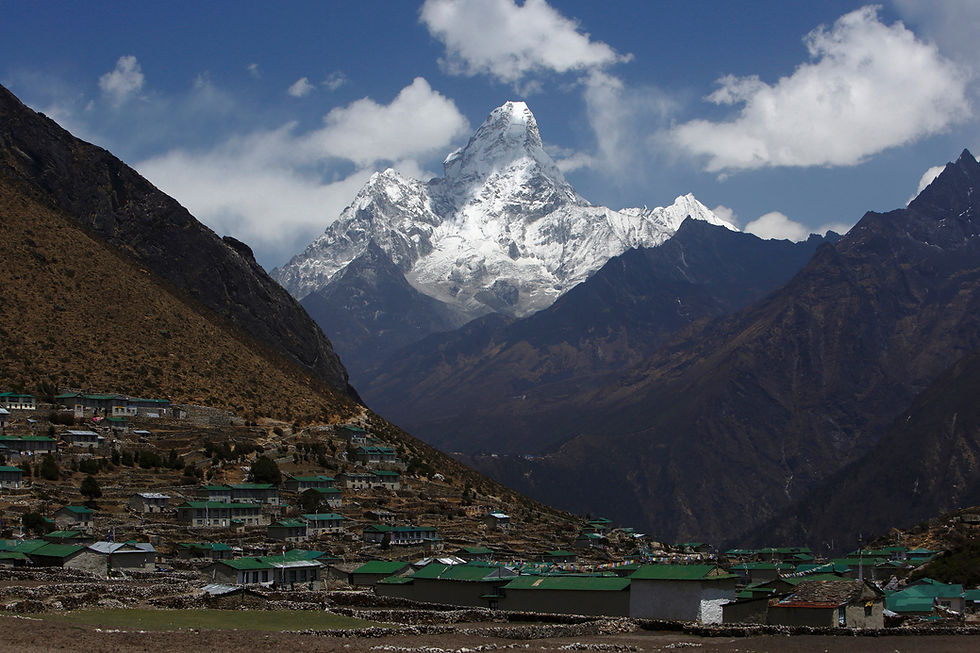
German mountaineer dies while climbing Nepal’s Ama Dablam

DPWH assures smooth traffic on Maharlika Highway during Undas
Paraluman News Publication, Inc.
desk@myparaluman.ph
Tektite Towers (East), Exchange Road
Ortigas Center. San Antonio 1600
City of Pasig, NCR, Philippines
+63284298877
EXPLORE
Editorial Standards and Code of Ethics
Privacy Policy
User Policy
COMMUNITY
Contributor and Campus Voices Terms
Advertise with Paraluman News
ACCOUNTABILITY & SAFETY
Submit a Claim for Fact-Checking
© 2026 Paraluman News Publication