Poland to cap fuel prices, Orlen shares sink
Poland moves to cut fuel taxes and cap prices to shield drivers from soaring costs, while energy shares tumble amid market uncertainty.
March 26, 2026
Reuters

Fuel prices are displayed at Polish refiner Orlen's (PKN.WA) petrol station, amid the U.S.-Israeli conflict with Iran, in Warsaw, Poland, March 24, 2026.
Slawomir Kaminski/Agencja Wyborcza/Reuters
Poland will slash fuel taxes, cap pump prices and may pursue a windfall tax on energy companies, the prime minister said on Thursday, measures set to be welcomed by drivers but which sent shares in state-controlled refiner Orlen PKN.WA tumbling.
Governments across Europe are scrambling to soften the Iran war's impact on fuel costs, with countries including Romania and Hungary already moving to cap prices.
Donald Tusk told a news conference that VAT on fuel will fall to 8% from 23%, while excise duty will be cut to the EU minimum - 29 groszy (cents) for petrol and 28 groszy for diesel.
He added that Poland is working on a windfall tax for oil companies.
Shares in Orlen were down over 6% at 1327 GMT.
"Even before the (Easter) holidays, we should see prices fall by about 1.2 zloty per litre for all fuel," Tusk said.
"We want this reduction to have a real impact on prices, not to fill the pockets of those involved in the fuel trade," he added. "For the period of application of these VAT and excise tax reductions, we will introduce a maximum retail price for fuel."
POLAND MAY FOLLOW SLOVAKIA'S EXAMPLE
Tusk said Poland would act if needed to stop foreign drivers taking advantage of the price cuts, and would study Slovakia's system under which cars with foreign plates pay more than local vehicles at petrol stations.
"We will not hesitate to use such tools if necessary," he said. "We will monitor these few days to see if the scale requires such actions."
Taxes and levies, including VAT and excise duty, account for more than 40% of pump prices.
While Orlen says it has cut retail margins to "nearly zero", wholesale diesel prices have risen by about 50% since late February after the U.S. and Israel attacked Iran and Tehran launched strikes on Gulf states.
Soaring fuel costs have become a flashpoint for the nationalist opposition, which has accused the government of acting too slowly and points to several European countries that have already rolled out relief measures.
-Reporting by Barbara Erling, Alan Charlish, Pawel Florkiewicz and Marek Strzelecki. Editing by Louise Heavens and Mark Potter/Reuters
TOP BUSINESS STORIES

PH seeks higher-value electronics investments as exports grow

How El Niño could drive up mortgage and grocery costs

Senator Aquino asks BIR to suspend online sellers' registration badge requirement
LATEST NEWS

Pope Leo urges end to Yemen violence, in address two weeks after surgery

Portuguese police arrest 25 in clearing of Lisbon protest camp
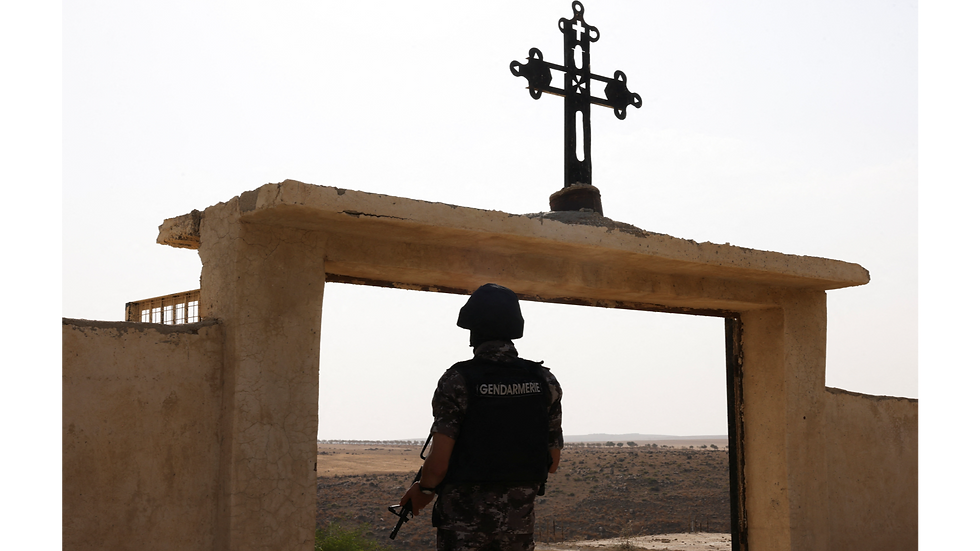
Jordan's king orders 'iron fist' response to deadly church shooting
Paraluman News Publication, Inc.
desk@myparaluman.ph
Tektite Towers (East), Exchange Road
Ortigas Center. San Antonio 1600
City of Pasig, NCR, Philippines
+63284298877
EXPLORE
Editorial Standards and Code of Ethics
Privacy Policy
User Policy
COMMUNITY
Contributor and Campus Voices Terms
Advertise with Paraluman News
ACCOUNTABILITY & SAFETY
Submit a Claim for Fact-Checking
© 2026 Paraluman News Publication