Japan's cabinet approves record $785 billion budget, vows to keep debt in check
Japan’s cabinet, led by Prime Minister Sanae Takaichi, approved a record $785 billion budget for 2026, balancing fiscal stimulus with cautious debt management. Despite the spending boost, new bond issuance will rise only slightly, as Japan seeks to rein in its historically high debt levels.
December 26, 2025
Makiko Yamazaki
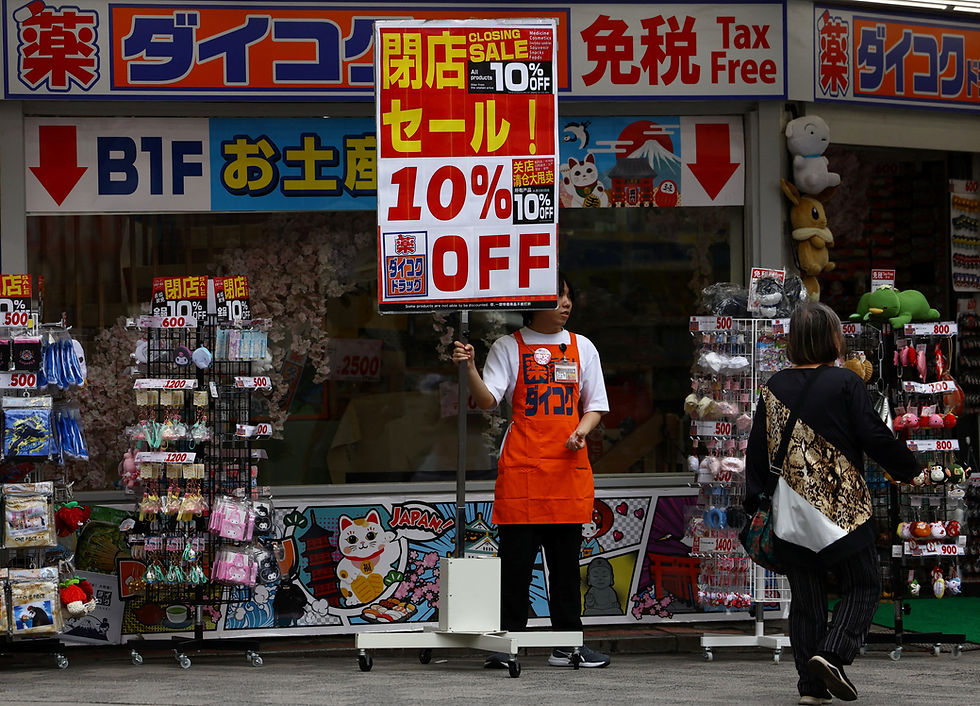
Japan’s cabinet under Prime Minister Sanae Takaichi approves a record ¥122.3 trillion ($785 billion) budget for the next fiscal year, aiming to boost spending while limiting new bond issuance to ease investor concerns over rising debt and borrowing costs.
Japanese Prime Minister Sanae Takaichi's cabinet on Friday approved a record $785 billion budget for the next fiscal year, aiming to strike a balance between her proactive fiscal policy and debt blowout concerns by limiting new bond issuance.
Faced with rising government bond yields and a weak yen, the Takaichi administration has stepped up efforts to reassure investors that the government will not resort to irresponsible debt issuance or tax cuts.
The budget for the year starting from April, to be submitted to parliament early next year, will total a record 122.3 trillion yen ($784.63 billion), exceeding this year's initial budget of 115.2 trillion yen.
Still, new government bond issuance will increase only slightly from this year's 28.6 trillion yen to 29.6 trillion yen, with the debt dependence ratio falling to 24.2%, the lowest since 1998.
Higher tax revenues, projected to rise 7.6% to a record 83.7 trillion yen, will help fund increased spending, though they will not fully offset surging debt-servicing costs, along with higher social welfare and defence outlays.
Debt-servicing costs for interest payments and debt redemption will jump 10.8% to 31.3 trillion yen, with the assumed interest rate set at 3.0%, the highest level in 29 years, as the Bank of Japan exits ultra-loose monetary policy.
Japan already has the highest debt burden in the developed world at more than twice the size of its economy, making it highly sensitive to rising borrowing costs and complicating Takaichi's plans to pursue aggressive fiscal stimulus measures.
Takaichi intends to drop the idea of using the annual primary budget balance as Japan's fiscal consolidation goal and set a new goal that extends through several years to allow more flexible spending.
-Makiko Yamazaki/Reuters
TOP BUSINESS STORIES
_edited.jpg)
President Marcos seeks bigger PH role in global critical minerals industry

PH gov't urged to penalize erring energy firms over high rates, power outages

PH gov't eyes P200-million revenue from October 30 auction of 11 luxury vehicles
LATEST NEWS
_edited.jpg)
UST campus in Manila declared safe after another bomb threat

Angry youths with machetes attack Ebola health responders in Congo

US and major European powers call for aid amid Sudan famine risk
Paraluman News Publication, Inc.
desk@myparaluman.ph
Tektite Towers (East), Exchange Road
Ortigas Center. San Antonio 1600
City of Pasig, NCR, Philippines
+63284298877
EXPLORE
Editorial Standards and Code of Ethics
Privacy Policy
User Policy
COMMUNITY
Contributor and Campus Voices Terms
Advertise with Paraluman News
ACCOUNTABILITY & SAFETY
Submit a Claim for Fact-Checking
© 2026 Paraluman News Publication