UK police to use River Thames to keep pro-Iranian rally apart from opponents
London police will use the River Thames to keep pro-Iranian protesters and counterdemonstrators apart, deploying 1,000 officers to prevent clashes during weekend rallies.
Michael Holden Reuters
March 12, 2026

FILE PHOTO: The city of London financial district and the river Thames are seen in London, Britain, April 19 2020.
John Sibley/Reuters
British police said on Thursday they would use the River Thames as a barrier to separate pro-Iranian protesters from counterdemonstrators in central London this weekend in what they said was a unique way of preventing possible violent clashes.
The police, with the approval of interior minister Shabana Mahmood, announced earlier this week that Sunday's planned annual Al Quds march, organised by the Islamic Human Rights Commission, had been banned citing the tensions and risks created by the Iran war.
However, that ban does not prevent a static assembly and the IHRC, which police said is supportive of the Iranian regime, intends to go ahead with a rally for "Palestinian liberation."
London Assistant Commissioner Ade Adelekan said that in order "to reduce the risk of serious public disorder," the IHRC protest would be held on the south bank of the Thames.
A counterprotest, involving a mix of groups from opponents of the Tehran government to pro-Israeli supporters, will be on the other side of the river, with Westminster's Lambeth Bridge closed.
"This is a new bespoke tactic, and something we have not tried before in recent times," he told reporters. "This is a unique set of circumstances."
Some 1,000 police officers will be on duty for the protests, with about 12,000 protesters expected, although Adelekan said far more could turn up.
"While we will protect the right to freedom of speech, there is a zero-tolerance approach to hate crime and anyone who crosses the line can expect to face arrest," he said.
Adelekan said the ban on the Al Quds march, the first of its kind in 14 years, did not set a precedent for Iranian protests or pro-Palestinian demonstrations.
He said the decision had not been taken lightly but their assessment was that even with strict conditions it would have required "significant resources and likely use of force" to keep the rival marches apart.
-Reporting by Michael Holden; Editing by Mark Porter/Reuters
TOP POLITICAL STORIES

Trump sets 2026 deadline to end US military aid to Israel

Iran-US deal remains elusive despite diplomatic efforts, Iranian official says
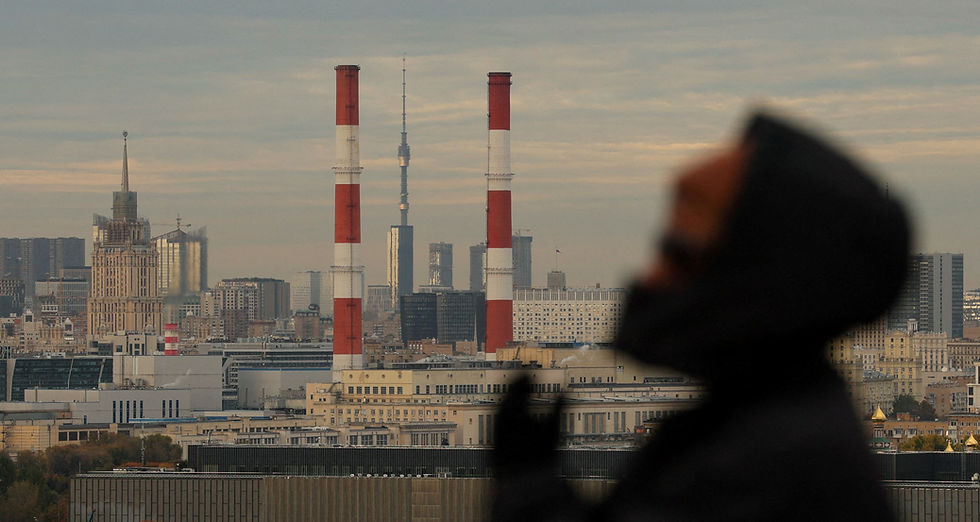
Russia claims strike on Ukrainian power facilities in massive overnight attack
LATEST NEWS

Businessman killed, 2 suspects arrested over Marawi land dispute shooting

Brazil urges action on climate goals as COP30 wraps up

UK court clears MI5 of contempt proceedings over misleading evidence
Paraluman News Publication, Inc.
desk@myparaluman.ph
Tektite Towers (East), Exchange Road
Ortigas Center. San Antonio 1600
City of Pasig, NCR, Philippines
+63284298877
EXPLORE
Editorial Standards and Code of Ethics
Privacy Policy
User Policy
COMMUNITY
Contributor and Campus Voices Terms
Advertise with Paraluman News
ACCOUNTABILITY & SAFETY
Submit a Claim for Fact-Checking
© 2026 Paraluman News Publication