Israeli military publishes map of south Lebanon territory under its control
Israel’s military released its first map showing a new deployment line inside southern Lebanon, effectively bringing dozens of largely abandoned villages under its control following a U.S.-backed ceasefire with Hezbollah. The move deepens tensions as Israel maintains a buffer zone while restricting civilian access in the area.
Maayan Lubell / Reuters
April 20, 2026

A handout graphic of a map, according to the Israeli military, shows the Forward Defense Line and the area in which they are operating in southern Lebanon, published on April 19, 2026.
Israel Defence Forces / Reuters
JERUSALEM — The Israeli military on Sunday released, for the first time, a map outlining its new deployment line inside southern Lebanon, placing dozens of mostly evacuated Lebanese villages under its operational control days after a ceasefire with Hezbollah took effect.
There was no immediate response from Lebanese authorities or the Iran-backed Hezbollah group. The ceasefire, announced on Thursday, followed U.S.-brokered talks and marked the first direct diplomatic engagement between Israel and Lebanon in decades.
According to the Israeli military map, the deployment line extends roughly 5 to 10 kilometers (3 to 6 miles) north of the border into Lebanese territory. Israel said the area is intended to function as a buffer zone designed to prevent cross-border attacks.
Israeli forces have carried out widespread destruction in several villages within the zone, saying the operations are aimed at dismantling Hezbollah infrastructure and protecting communities in northern Israel. Israel has previously established similar buffer zones in Gaza and parts of Syria, where it maintains varying levels of control.
“Five divisions, alongside Israeli Navy forces, are operating simultaneously south of the forward defense line in southern Lebanon,” the military said, adding that the objective is to dismantle militant infrastructure and eliminate threats to Israeli border towns.
The military did not say whether displaced Lebanese residents would be allowed to return to their homes in the affected areas.
A Lebanese security source said civilians have been able to access some villages located near or beyond the Israeli-designated line, but most areas south of it remain restricted due to Israeli military presence.
Israeli Defense Minister Israel Katz said structures near the border that were allegedly used by Hezbollah would be demolished, warning that any buildings or roads considered security risks would be targeted.
Lebanon was drawn into the conflict on March 2, when Hezbollah launched attacks in support of Iran, triggering an Israeli military response. Lebanese authorities say the fighting has killed more than 2,100 people, including 177 children, and displaced over 1.2 million residents.
Hezbollah has not released official casualty figures, but sources close to the group estimate at least 400 of its fighters had been killed by late March.
Since the escalation began, Hezbollah has fired hundreds of rockets and drones toward Israel. Israeli officials say the attacks have killed two civilians in Israel, while 15 Israeli soldiers have been killed during operations in southern Lebanon since March 2. -Reporting by Maayan LubellAdditional reporting by Nazih Osseiran in Beirut and Pesha Magid in the West BankEditing by David Goodman/Reuters
TOP POLITICAL STORIES

President Marcos receives proposed P7.2 trillion national budget for 2027

Senator Pangilinan urges national flood strategy, audit of flood control funds

PH Supreme Court approves rule on civil forfeiture of POGO assets
LATEST NEWS

'Habagat' will continue to bring moderate to heavy rains across Luzon

Dr. Edwin Mercado named as new secretary of DOH
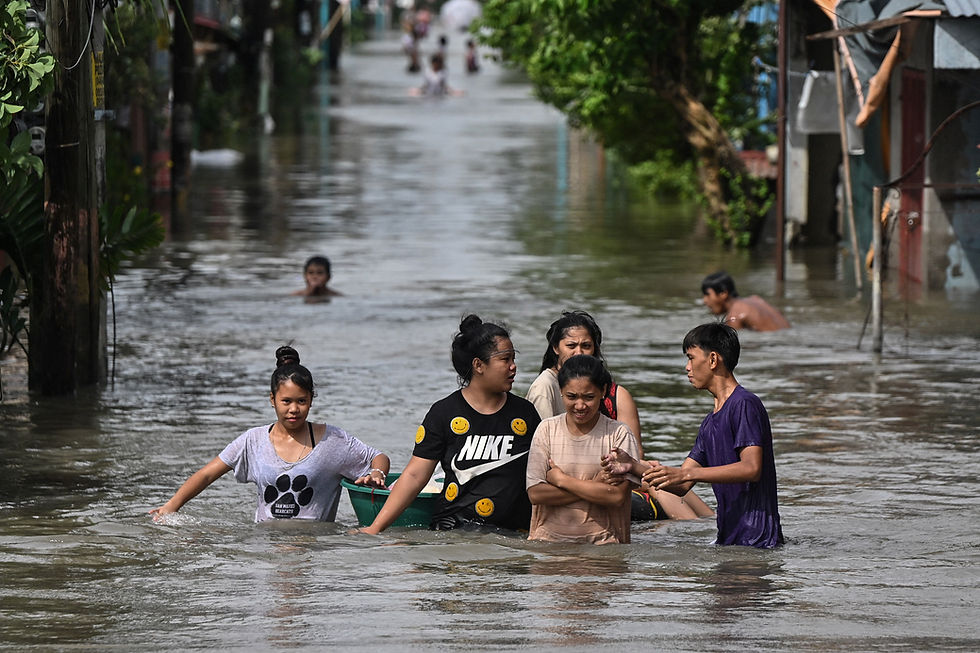
DepEd activates '4H' protocol for 6.5 million students affected by monsoon rains
Paraluman News Publication, Inc.
desk@myparaluman.ph
Tektite Towers (East), Exchange Road
Ortigas Center. San Antonio 1600
City of Pasig, NCR, Philippines
+63284298877
MENU
FOLLOW US
© 2026 Paraluman News Publication