Congo's Ebola death toll tops 1,000 amid violence and medical shortages
Ebola has now killed more than 1,000 people in the Democratic Republic of Congo, official figures show, as medics struggle to contain an outbreak amid militant violence, attacks on clinics and widespread shortages.
Reuters
July 23, 2026

FILE PHOTO: A drone view of displaced people from the Kigonze camp attending the burial of suspected Ebola victims at Nyamurongo Cemetery, one month after an outbreak was declared, in Bunia, eastern Democratic Republic of Congo, June 18, 2026.
Gradel Muyisa Mumbere/Reuters
Ebola has now killed more than 1,000 people in the Democratic Republic of Congo, official figures show, as medics struggle to contain an outbreak amid militant violence, attacks on clinics and widespread shortages.
The number of confirmed Ebola cases has increased to 2,536, Congo's public health institute said late on Wednesday. The number of deaths has passed the 1,000 mark to reach 1,033, it added.
The Ebola outbreak, Congo's 17th, was declared in mid-May but experts believe infections started circulating weeks earlier.
It is caused by the rare Bundibugyo strain, which has a fatality rate of up to 40%. There is no approved vaccine.
Health officials have had to contend with insecurity across eastern Congo, the epicentre of the outbreak, where dozens of armed groups operate.
There have been shortages of basic supplies and attacks on health facilities by local people. Some bereaved relatives have been angered by health restrictions preventing them from burying their loved ones.
Some have believed conspiracy theories that the outbreak is a hoax.
Ebola spreads through direct contact with the bodily fluids of infected people, living or dead. It can cause fever, vomiting, diarrhoea and, in severe cases, internal and external bleeding.
Unlike the more common Zaire strain, there are no approved vaccines or treatments for Bundibugyo.
A small number of experimental vaccines and treatments are under review, while experts assess whether existing Ebola drugs could help against the Bundibugyo strain, a prospect so far backed only by limited animal data.
Congo, which reports figures daily, said 63 new cases and 34 deaths had been recorded since the last report.
The outbreak spread to neighbouring Uganda, but authorities there have managed to keep confirmed cases to 20.
No case has been reported in Uganda since June 22 and the last Ebola patient there was discharged on July 16, triggering a 42-day countdown until that East African country can be declared virus-free.
-Reporting by Ayen Deng Bior, Vincent Mumo Nzilani and George Obulutsa; Editing by Alexander Winning and Andrew Heavens/Reuters
TOP HEALTH STORIES

ANALYSIS: Why the WHO should declare climate change a public health emergency

Airline groups raises concerns over US CDC Ebola travel declaration requirements

US estrogen shortage deepens as women seek alternatives to scarce patches
LATEST NEWS
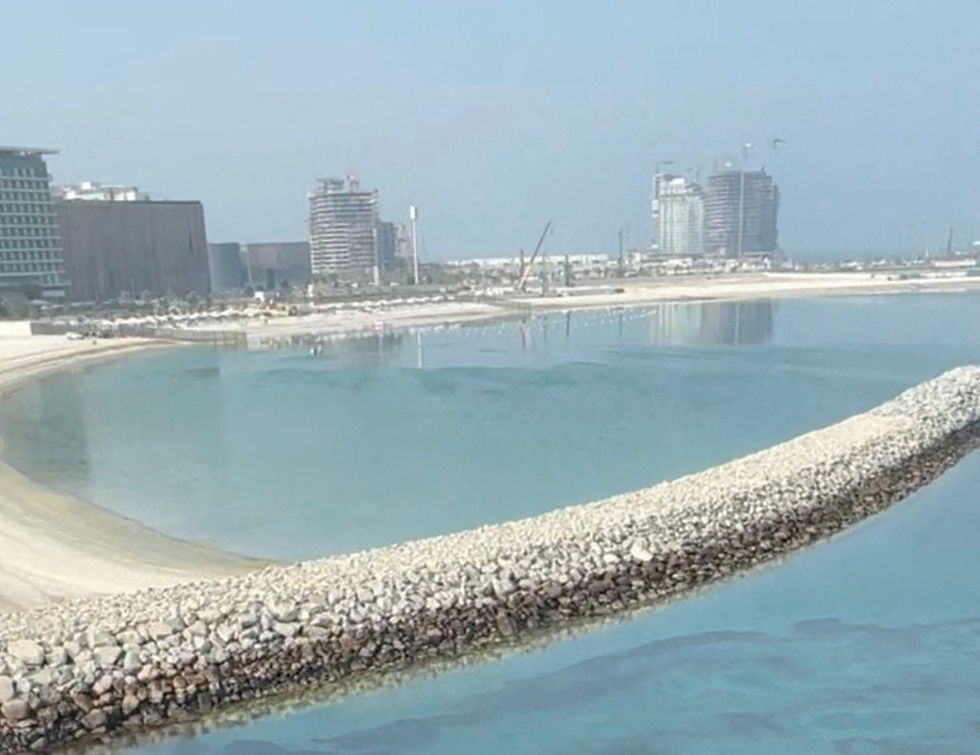
EXPLAINER: How could an oil spill off the UAE coast threaten desalination plants?

UN says world is falling behind on ecosystem restoration goals

Pentagon probes US military base freezer malfunction as suspected cyberattack
Paraluman News Publication, Inc.
desk@myparaluman.ph
Tektite Towers (East), Exchange Road
Ortigas Center. San Antonio 1600
City of Pasig, NCR, Philippines
+63284298877
EXPLORE
Editorial Standards and Code of Ethics
Privacy Policy
User Policy
COMMUNITY
Contributor and Campus Voices Terms
Advertise with Paraluman News
ACCOUNTABILITY & SAFETY
Submit a Claim for Fact-Checking
© 2026 Paraluman News Publication