Congo battles worst cholera outbreak in 25 years, UNICEF says
The Democratic Republic of the Congo is facing its deadliest cholera outbreak in 25 years, claiming nearly 2,000 lives since January, with children among the hardest hit. UNICEF warns that lack of clean water, sanitation, and funding are fueling the crisis, urging urgent support to prevent further deaths.
Sonia Rolley
December 8, 2025
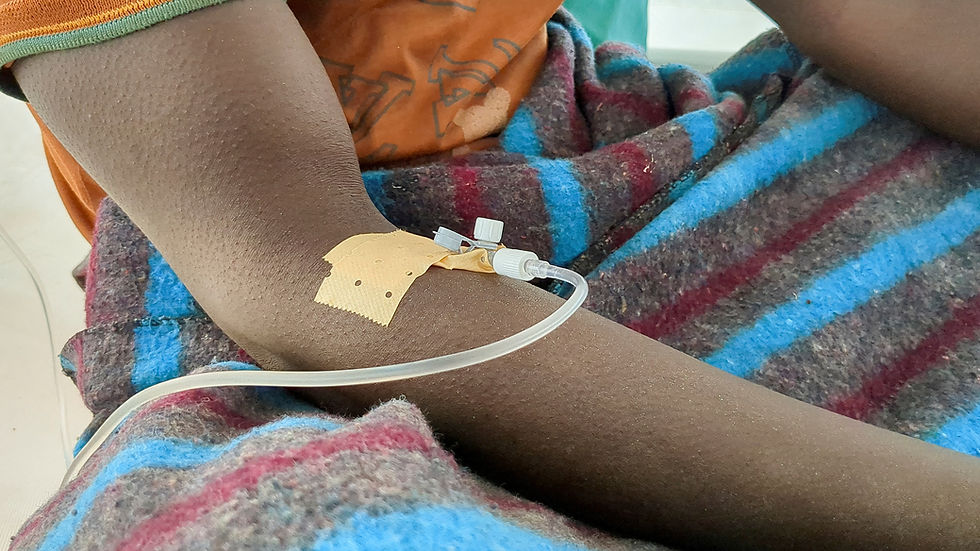
The Democratic Republic of the Congo is battling its worst cholera outbreak in 25 years which has killed almost 2,000 people since January, the U.N. children's agency said on Monday.
In one case, a quarter of the children in a Kinshasa orphanage - 16 out of 62 - died days after the disease swept through, UNICEF added.
"Congolese children should not be so gravely affected by what is a wholly preventable disease,” UNICEF spokesperson John Agbor said.
Cholera is a severe and potentially fatal diarrhoeal disease that spreads quickly when sewage and drinking water are not adequately treated.
African health authorities last month raised the alarm over a surge in the disease in Angola, Burundi and other parts of the continent, with an overall 30% increase on cases recorded last year.
In Congo, conflict and a lack of access to clean water were exacerbating the crisis, and more funding was needed for sanitation, hygiene and health services, UNICEF said.
Since January, authorities have recorded 64,427 cases and 1,888 deaths, including 14,818 infections and 340 deaths among children, UNICEF said. Seventeen of the country's 26 provinces are currently impacted, the agency added.
Only 43% of people in Congo have access to at least basic water services, the lowest rate in Africa, and just 15% use basic sanitation, according to the statement.
The government has a cholera elimination plan with a proposed budget of $192 million, but that remains severely underfunded, UNICEF said.
UNICEF is appealing for about $6 million in 2026 to sustain its rapid response work. "Without additional funds and coordinated action, many more lives could be lost," Agbor said.
-Sonia Rolley/Reuters
TOP HEALTH STORIES

ANALYSIS: Why the WHO should declare climate change a public health emergency

Airline groups raises concerns over US CDC Ebola travel declaration requirements

US estrogen shortage deepens as women seek alternatives to scarce patches
LATEST NEWS

Philippine gov't strengthens ecosystem protection against El Niño threat

EXPLAINER: How could an oil spill off the UAE coast threaten desalination plants?

UN says world is falling behind on ecosystem restoration goals
Paraluman News Publication, Inc.
desk@myparaluman.ph
Tektite Towers (East), Exchange Road
Ortigas Center. San Antonio 1600
City of Pasig, NCR, Philippines
+63284298877
EXPLORE
Editorial Standards and Code of Ethics
Privacy Policy
User Policy
COMMUNITY
Contributor and Campus Voices Terms
Advertise with Paraluman News
ACCOUNTABILITY & SAFETY
Submit a Claim for Fact-Checking
© 2026 Paraluman News Publication