EU working on jet fuel plan as Iran crisis threatens air travel
The European Union is preparing measures to boost refinery output and monitor fuel capacity as airlines warn of potential jet fuel shortages amid disruption linked to the Iran conflict. The plan comes as tightening supply, rising prices, and reliance on Middle East imports raise concerns over possible flight disruptions during the summer travel season.
April 16, 2026
Kate Abnett and Joanna Plucinska/Reuters

A truck refuels a Citilink Airbus at Soekarno-Hatta International Airport following the government approval of the jet fuel surcharge, amid the U.S.-Israeli conflict with Iran, in Tangerang, on the outskirts of Jakarta, Indonesia, April 6, 2026.
Ajeng Dinar Ulfiana/Reuters
The European Union is drafting plans to tackle a looming jet fuel supply crunch and maximise refinery output, officials said.
European airlines have warned of jet fuel shortages within weeks as a result of the Iran war, disrupting travel ahead of summer. Europe is more dependent on jet fuel imports, with some 75% from the Middle East, than for any other transport fuel.
From next month, the European Commission will introduce EU-wide mapping of refining capacity for oil products and introduce measures "to ensure that existing refining capacity is fully utilised and maintained", a draft proposal seen by Reuters said.
The EU is also working on measures targeting jet fuel supply, but those are still in development, officials familiar with the proposals said. The Commission declined to comment on the draft plans, which are due to be published on April 22.
Jet fuel prices have soared since the blocking of the Strait of Hormuz and European airlines are warning of price hikes, cancellations and grounded planes if the war does not end soon.
U.S. President Donald Trump said in comments aired on Wednesday that the war with Iran could end soon, telling the world to watch out for an "amazing two days", while U.S. forces imposing a blockade turned back vessels leaving Iranian ports.
SHORTAGES COULD HIT SUMMER HOLIDAY SEASON
Airlines are preparing for a potential supply crunch, with the International Energy Agency forecasting jet fuel shortages by June if the region can only replace half of the supplies it normally gets from the Middle East.
Increased imports from Africa and the U.S. are unlikely to fully make up for the drop, while fuel handling consortia that feed into airports do not always keep long-term stocks, analysts said, and many airports do not keep large stocks on hand.
Some airports have warned of shortages within three weeks if the Strait of Hormuz remains closed to fuel shipments.
As domestic oil production has shrunk and governments have sought to shift to cleaner energy sources, Europe's refining capacity has declined in recent years.
The IEA said this month that many European refiners are already operating at maximum capacity for jet fuel production.
"Our (jet fuel) suppliers are changing their forecasting windows, and they're no longer keen to give an outlook over a time window that goes beyond one month," Lufthansa CTO, Grazia Vittadini, told Reuters in Frankfurt on Wednesday.
A spokesperson for UK airport Heathrow said that the impacts of the war had not yet hit its operations, although it was monitoring the situation. ADP, owner of Paris Charles de Gaulle, did not respond to a request for comment.
The proposed EU rules would not be expected to impact Britain, which is outside the 27-member bloc.
JET FUEL STOCKS VARY AROUND EUROPE
Jet fuel supplies are highly uneven across Europe. Spain has eight refineries and is a net exporter of jet fuel, while imports cover more than 60% of British demand.
European airlines have asked the EU to improve monitoring of jet fuel supplies and consider joint purchasing of kerosene.
The OECD Europe region, which includes EU countries as well as others like Britain and Norway, imports more than 30% of its jet fuel, IEA data shows, with most going through the Strait.
The EU requires its members to maintain 90 days of emergency oil reserves as a buffer against supply shocks. This does not include a specific requirement on jet fuel, although countries can count it and other oil products towards their stock.
-Kate Abnett and Joanna Plucinska/Reuters
TOP BUSINESS STORIES

PH seeks higher-value electronics investments as exports grow

How El Niño could drive up mortgage and grocery costs

Senator Aquino asks BIR to suspend online sellers' registration badge requirement
LATEST NEWS

Pope Leo urges end to Yemen violence, in address two weeks after surgery

Portuguese police arrest 25 in clearing of Lisbon protest camp
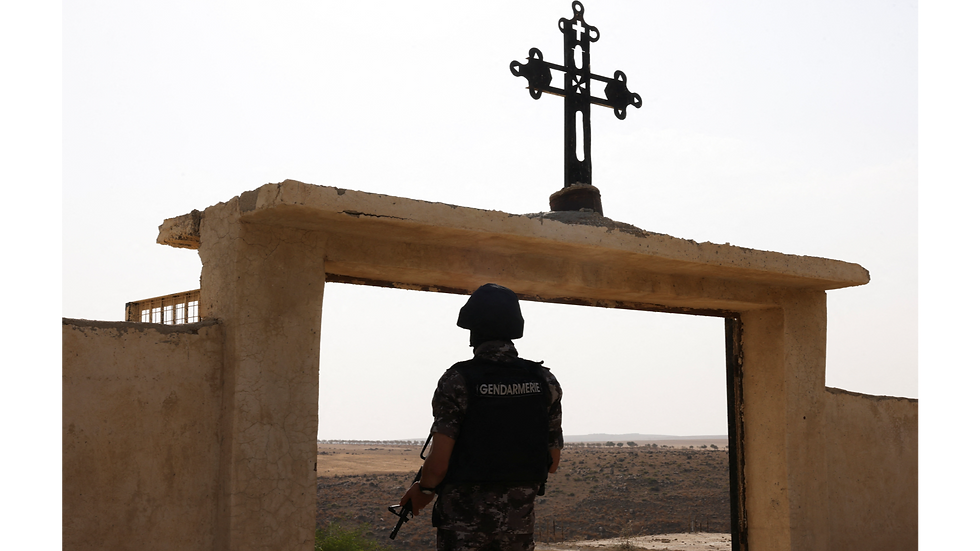
Jordan's king orders 'iron fist' response to deadly church shooting
Paraluman News Publication, Inc.
desk@myparaluman.ph
Tektite Towers (East), Exchange Road
Ortigas Center. San Antonio 1600
City of Pasig, NCR, Philippines
+63284298877
EXPLORE
Editorial Standards and Code of Ethics
Privacy Policy
User Policy
COMMUNITY
Contributor and Campus Voices Terms
Advertise with Paraluman News
ACCOUNTABILITY & SAFETY
Submit a Claim for Fact-Checking
© 2026 Paraluman News Publication