
SOCCER: Hydration breaks heat up World Cup debate with players, coaches split on new rule
FIFA’s mandatory three-minute hydration breaks at the World Cup are dividing players and coaches, with some calling them disruptive to match flow while others view them as useful tactical timeouts. While introduced for player safety in extreme heat, critics and experts are debating whether the pauses should be longer or more consistent across venues.
Rohith Nair / Reuters
June 16, 2026

A big screen inside the stadium during the second-half hydration break during the FIFA World Cup 2026 Group H match between Saudi Arabia and Uruguay at Miami Stadium in Miami Gardens, Florida, U.S., June 15, 2026.
Paul Childs / Reuters
MIAMI — FIFA’s mandatory three-minute hydration breaks at World Cup matches are proving as controversial as they are necessary, with players divided over interruptions that some say disrupt the flow of play while coaches increasingly welcome them as tactical opportunities.
The breaks were introduced following concerns raised during the sweltering Club World Cup in the United States last year, when extreme heat and high humidity raised health and safety issues for players, coaches, and fans.
Under the rule, matches will include hydration breaks around the 22nd minute of each half, effectively dividing each game into four segments. FIFA has mandated the breaks in every match to ensure consistency, regardless of local weather conditions.
“I think hydration breaks are a bit interesting because I was obviously watching almost all the games,” Netherlands captain Virgil van Dijk said. “Every time, going to commercial is something I don’t really like. For neutral viewers on TV, it’s also not great. If it’s really hot, then it makes sense, but I think you have to look at each game separately.”
Belgium midfielder Youri Tielemans echoed a similar view, saying conditions vary widely between host cities. “As a player, it can work both ways,” he said. “In some cities it’s not that hot, and maybe we shouldn’t do it. But at the end of the day, if you do it in some cities, you should do it for everyone.”
Broadcasters are permitted to air commercials approximately 20 seconds after a hydration break is signaled by the referee, and must return to live coverage 30 seconds before play resumes. However, some networks, including Britain’s ITV and Spanish-language broadcaster Telemundo, have chosen not to air commercials during these pauses in order to preserve live coverage of on-field interactions.
Critics argue the breaks can also shift momentum within matches. At the World Cup debut of Curaçao, Livano Comenencia’s equalizer against Germany in the 21st minute briefly energized the underdogs, only for a hydration break to follow shortly after. Germany then regrouped under coach Julian Nagelsmann and went on to secure a 7-1 victory.
“For me, it’s more of a coaching break than a cooling break, so it’s very important,” Belgium coach Rudi Garcia said. “If we are in a good moment, it can interrupt our rhythm. But in friendlies, it was useful to give tactical instructions.”
France coach Didier Deschamps also noted the strategic element of the stoppages. “It’s like having four quarters, basically,” he said. “Coaches adapt to this new reality. It gives you a chance to adjust a few things before the restart.”
Medical experts, however, emphasize the health benefits and argue the breaks may not be long enough. Douglas Casa, CEO of the Korey Stringer Institute, said the pauses should be extended. “The hydration break in each half absolutely needs to be longer than three minutes. At least five minutes, preferably six,” he said.
Concerns over heat safety are growing ahead of the tournament, with Mike Tipton of the Extreme Environments Lab at the University of Portsmouth warning that climate conditions could pose serious risks. “Due in part to climate-change-driven increases in environmental thermal stress, some venues for the 2026 World Cup are likely to exceed the recommended high-risk heat threshold, especially during afternoon kickoffs,” he said. -Reporting by Rohith Nair in Miami, Sam Tobin in Seattle and Amy Tennery in New YorkEditing by Toby Davis/Reuters
TOP SPORTS STORIES

Knicks' NBA champ merchandise sets sales record
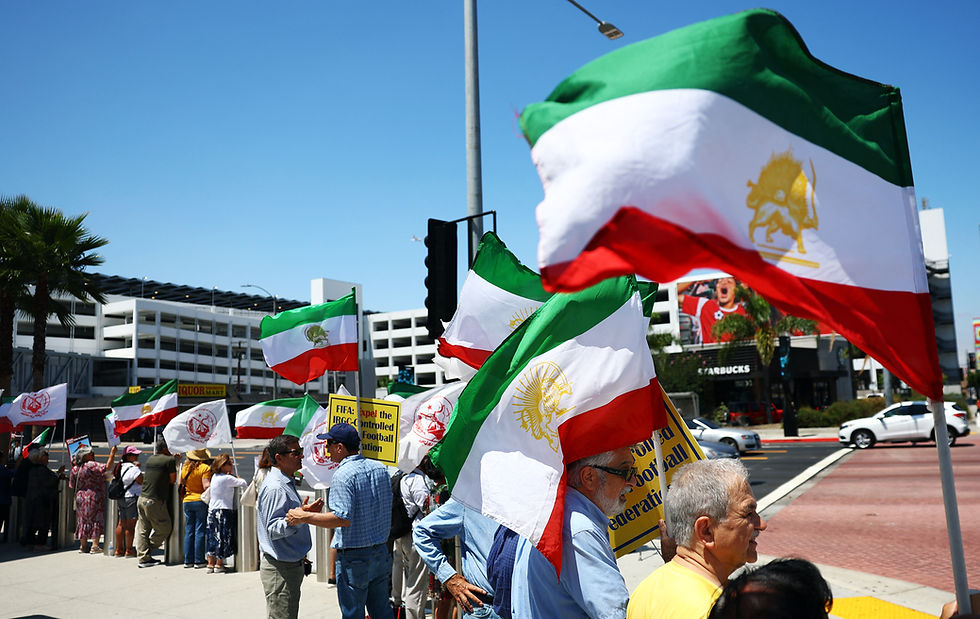
Iranian Americans wave protest flags as Iran play World Cup opener
SOCCER: Hydration breaks heat up World Cup debate with players, coaches split on new rule
LATEST NEWS

Iran: Lebanon an integral part of peace deal with US

UN on US-Iran peace deal: At this fragile moment, all sides need to exercise maximum restraint
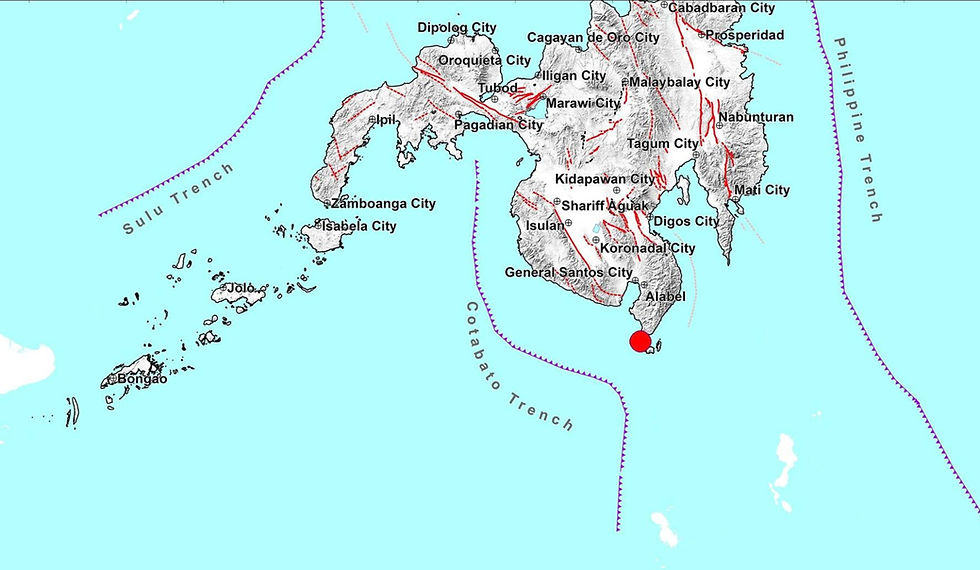
Magnitude 6.6 earthquake hits Mindanao but Phivolcs says no damage expected
GET IN TOUCH
desk@myparaluman.ph
Tektite Towers (East), Exchange Road
Ortigas Center. San Antonio 1600
City of Pasig, NCR, Philippines
+63284298877
MENU
FOLLOW US
© 2026 Paraluman News Publication